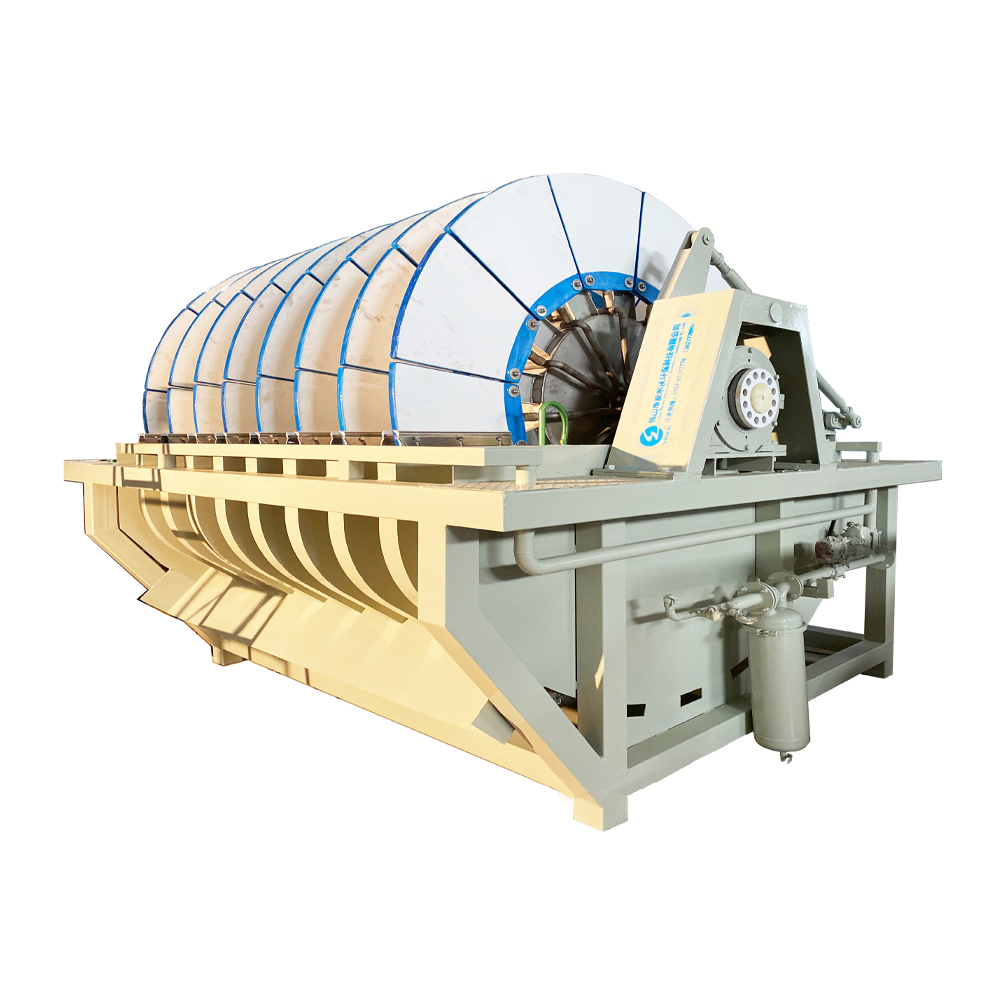
Vacuum Ceramic Filter Press
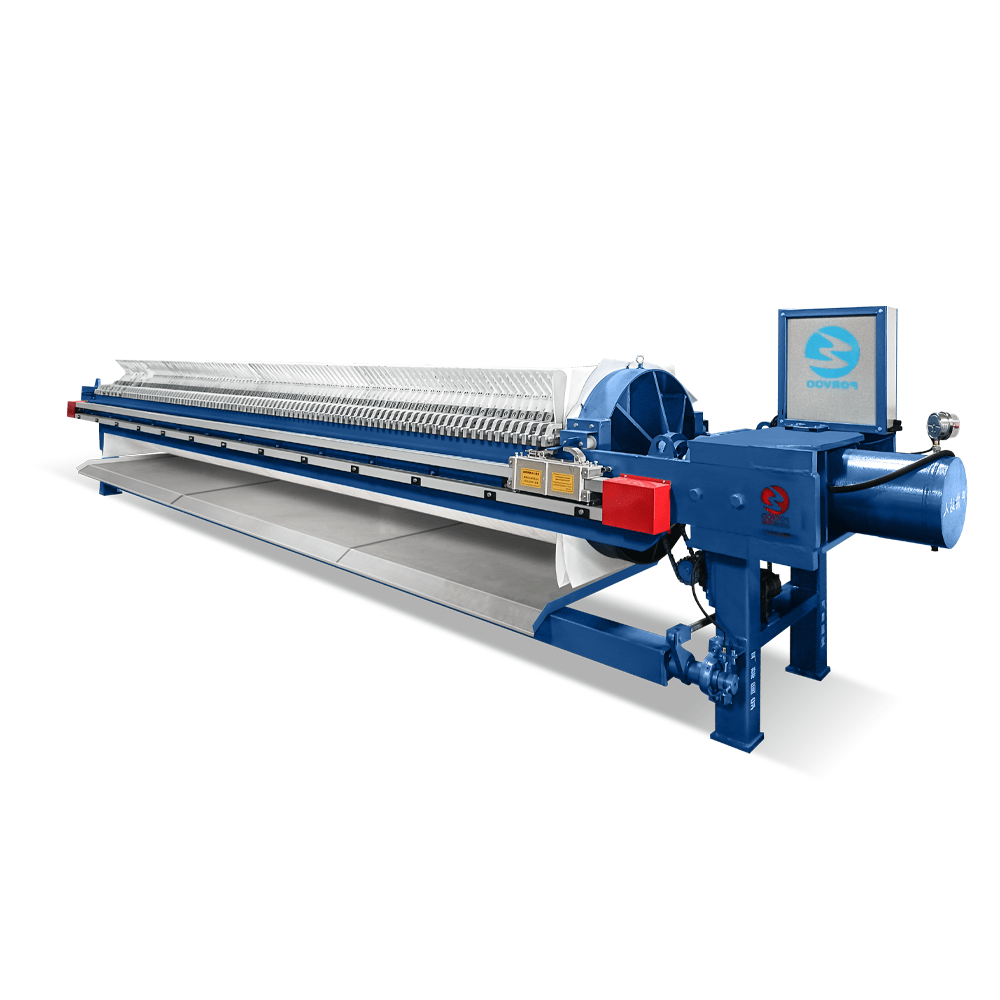
Plate And Frame Filter Press

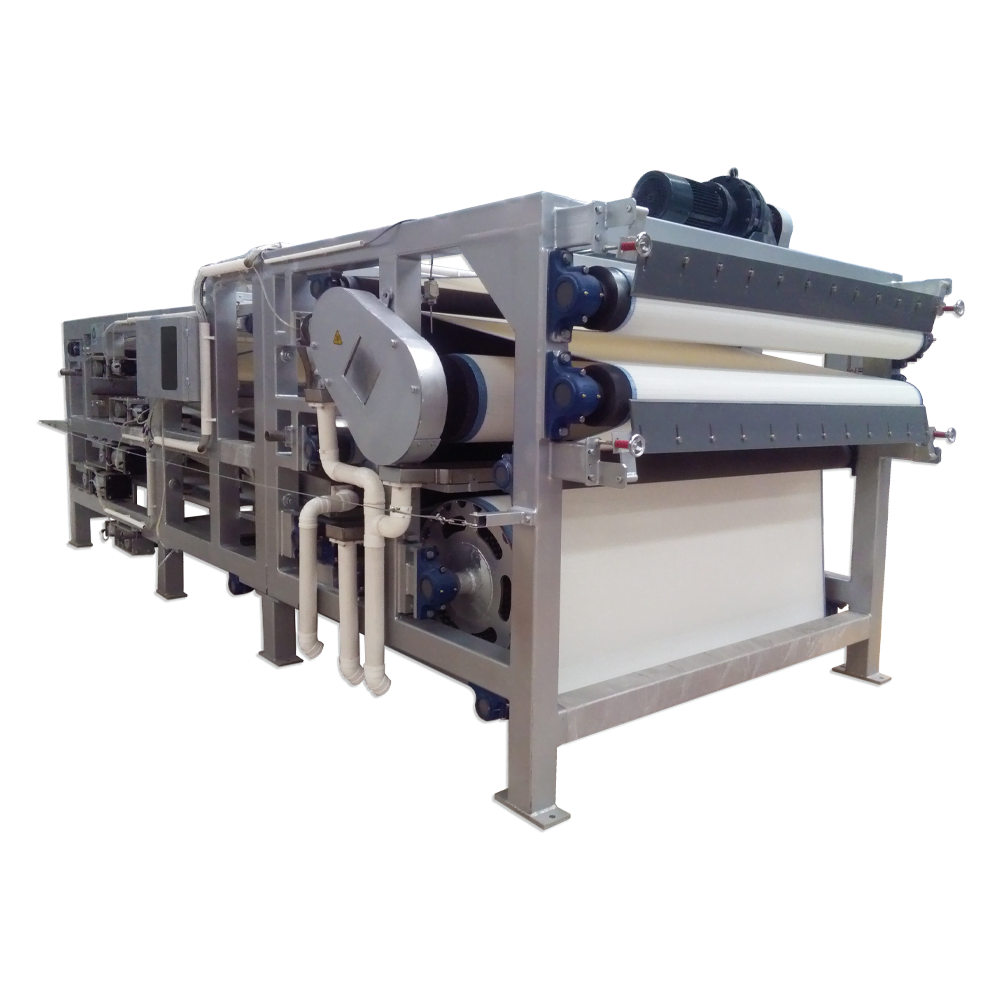
Diaphragm Filter Press

Ceramic Plunger Pump vs. Screw Pump: Which is Best for Abrasive Sludge?
Handling clean water is easy. But handling Ceramic Slurry, Stone Powder, or Kaolin Clay is a nightmare for pumps. The particles act like sandpaper, destroying the inside of the pump.
Traditionally, factories use Screw Pumps (Mono Pumps). But in 2026, more factories are switching to Hydraulic Ceramic Plunger Pumps. Why?
Principle: A metal rotor turns inside a rubber stator.
Weakness: Friction. When abrasive sludge passes through, it eats the rubber stator rapidly.
Lifespan: Rubber stator needs replacement every 1-3 months.
Maintenance Cost: High (Frequent downtime).
Principle: A hydraulic piston pushes the fluid. The piston is made of Corundum Ceramic.
Strength: Hardness. Ceramic is harder than sand or stone. It does not scratch.
Lifespan: Ceramic plunger lasts for YEARS.
Maintenance Cost: Extremely Low.
Our YB-Series Ceramic Pump is designed specifically for the filter press feed. It can handle high pressure (up to 2.0 MPa) and high flow, with almost zero wear on the critical components.